
Quick Answer
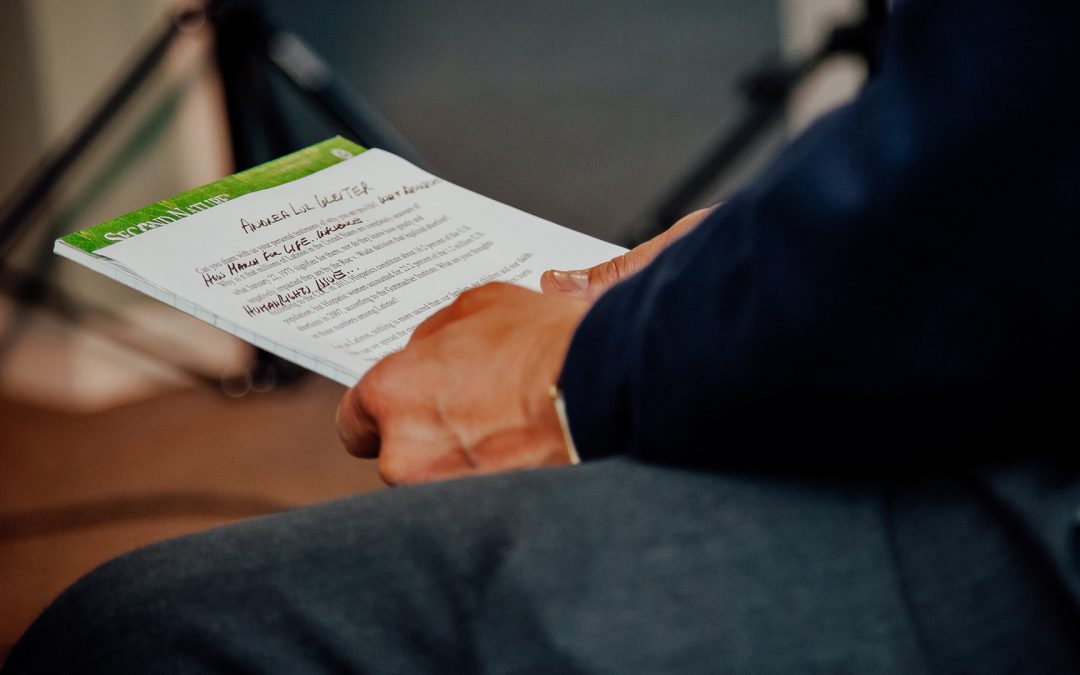
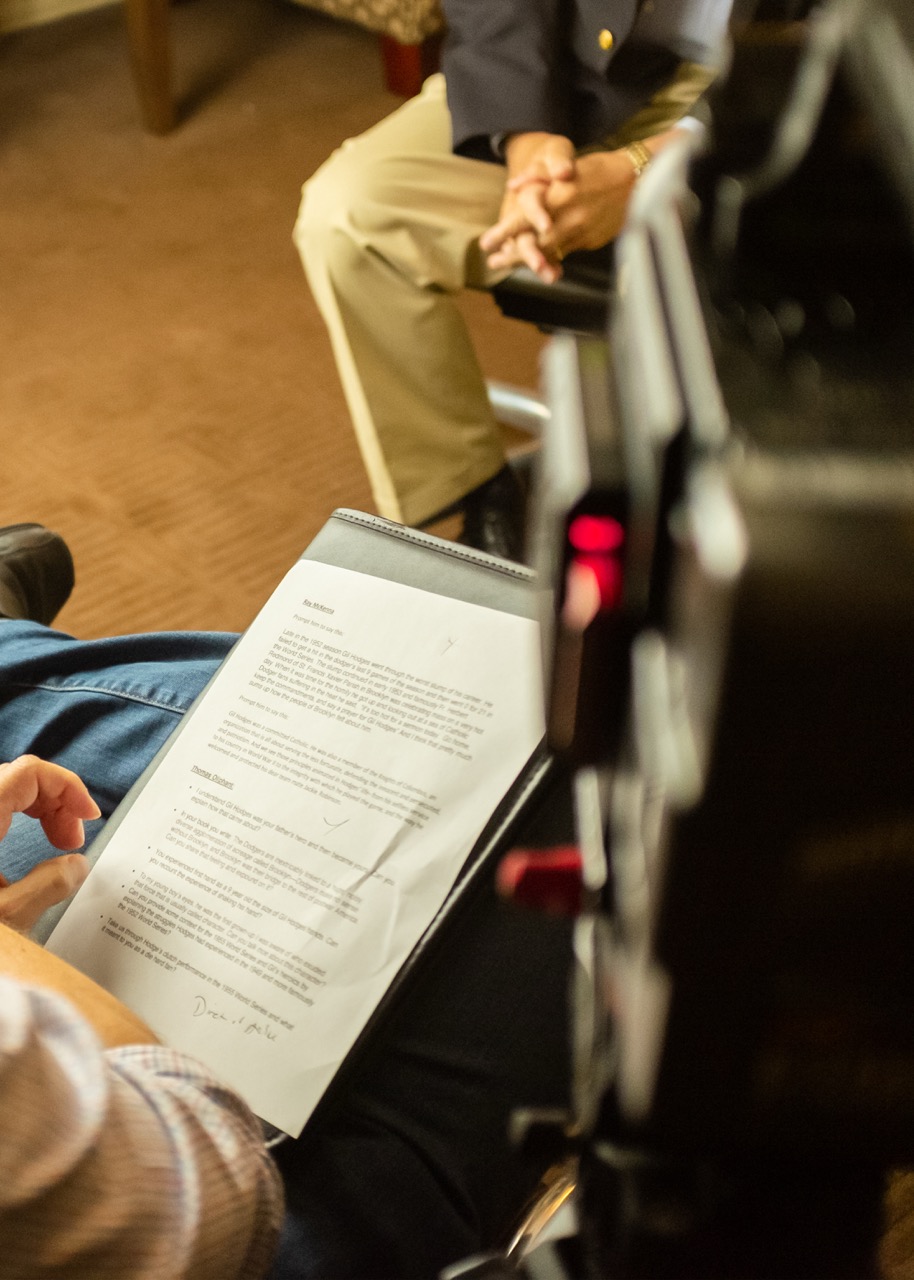
Most commercial videos don’t fail in the edit, but rather they fail in the first five minutes of scripting, when the team starts writing lines before the video knows its job. You end up with a script that sounds polished but feels busy, because it never commits to the one idea the viewer should walk away with. So we start where strong commercials always start, the goal. The goal of the video is what we always like to start with, then we lock down who it’s for and how it should feel, target audience, and then tone or mood. This way, the writing becomes execution, not guesswork.
Long Answer
Most commercial videos fail for a simple reason they try to do too much before they know what the job of the video is supposed to be.
Teams often jump straight into writing dialogue, jokes, or voice-over without agreeing on the one idea the viewer needs to walk away with. That’s how a commercial video script becomes busy, overworked, or emotionally confusing, even when it sounds polished on the page.
A strong script doesn’t come up perfect on draft one. It gets earned, through iteration, honest collaboration, and that moment when the creative team (and the client) finally says, "Perfect. That’s the one!"
And learning how to script a commercial video isn’t about memorizing a checklist. It’s about making the right decisions in the right order, so the writing actually has something solid to stand on. That’s why experienced teams don’t start with clever lines. They start by naming the commercial’s responsibility: what is this video here to do? What belief has to shift for it to work? Lock that, and everything else, structure, tone, visuals, even the copy stops being guesswork and starts becoming execution.
Start by Defining the Script’s One Job
If your script is trying to accomplish multiple outcomes at once, it’s already in trouble. A commercial video script works better when it’s responsible for only one clear goal. Before we write a single line, we lock three decisions:
- What action should this commercial support?
- Who must feel understood by it?
- What belief must shift for the viewer to act?
This is where teams learning how to write a commercial script usually go wrong. They agree on topics instead of outcomes. The script becomes informational instead of persuasive, and revisions multiply without improving clarity.
If the commercial's goal cannot be stated in one sentence, the script is not ready to be written.
The Decision Order That Keeps Commercial Scripts From Breaking
When experienced directors approach commercial video scripting, they don’t start by writing. They start by putting decisions in the correct order.
This order matters more than the individual steps to write a commercial script, because most weak scripts fail due to decision inversion, which is writing before the thinking is done.
Here is the decision sequence that consistently produces strong commercial video scripts:
Start with the idea
Every script begins with a single idea, whether it comes from the director or the client. This is not a list of messages. It’s the core idea the viewer should remember after the video ends. When the idea is vague, the script compensates with volume, and clarity is the first casualty.
Define the target audience
Once the idea is clear, the next decision is who this idea is actually for. Effective scripts are written to someone, not for everyone. When teams skip this decision, the script defaults to safe language that sounds professional but resonates with no one.
Lock the tone and mood
Tone is not decoration, it’s strategy. Is this idea meant to feel confident, restrained, playful, cinematic, or intimate? When tone is unclear, scripts feel inconsistent even if the words are technically strong. This is one of the most underestimated decisions in commercial video storytelling.
Use inspiration to sharpen direction
Only after the idea, audience, and tone are clear does inspiration become useful. Music, visuals, reference photos, other scripts, or past projects help sharpen direction, but only when the foundation is already set. Without that foundation, inspiration creates noise instead of clarity.
Write the script
At this point, writing becomes efficient instead of exploratory. The script has a spine, and every line either supports the idea or gets cut.
Then iterate and communicate
Iteration and client communication come last for a reason. When earlier decisions are solid, revisions refine instead of redirect. When they aren’t, feedback cycles multiply, and the script slowly loses focus.
What usually goes wrong is that teams reverse this order, writing first, deciding later. When that happens, no amount of iteration fixes the problem because the script never had a stable foundation to begin with.
Why Most Commercial Scripts Break During Iteration
Iteration is necessary, but uncontrolled iteration is destructive.
Strong commercial video scripting relies on narrowing and polishing. Each draft should remove ambiguity. What usually goes wrong is that feedback introduces new ideas instead of resolving existing ones, which slowly strips the script of its spine.
Most iteration problems aren’t writing problems, they’re decision-order problems.
Experienced teams revise until the core idea stops changing. Once that happens, execution becomes easier, approvals move faster, and production stops feeling risky. This is one of the clearest markers of effective commercial video scripts.
Write for What Will Be Seen, Not Just What Will Be Said
A commercial script is a visual document, even when it includes dialogue or voiceover.
One of the most common failures in storytelling in commercial videos is writing lines that sound good but don’t translate into action or imagery. That gap is usually “solved on set,” which is where budgets get strained, and intent gets diluted.
Strong scripts make the visual logic obvious:
- What is the viewer seeing when this line lands?
- What action carries the moment emotionally?
- What information is visual versus verbal?
When scripts ignore visuals, directors are forced to invent meaning later. When scripts anticipate visuals, production becomes alignment and not improvisation.
Adapt the Script to the Reality of Time
Time is a creative constraint, not an afterthought.
A 30-second commercial script allows room for escalation and payoff. A 15-second commercial script does not. Most short commercial video scripts fail because teams try to include both.
The rule is simple: fewer seconds require stronger decisions.
Whether you’re writing a brand commercial script or a performance-driven marketing video script, clarity matters more as time gets shorter.
Know When a Script Is Ready to Produce
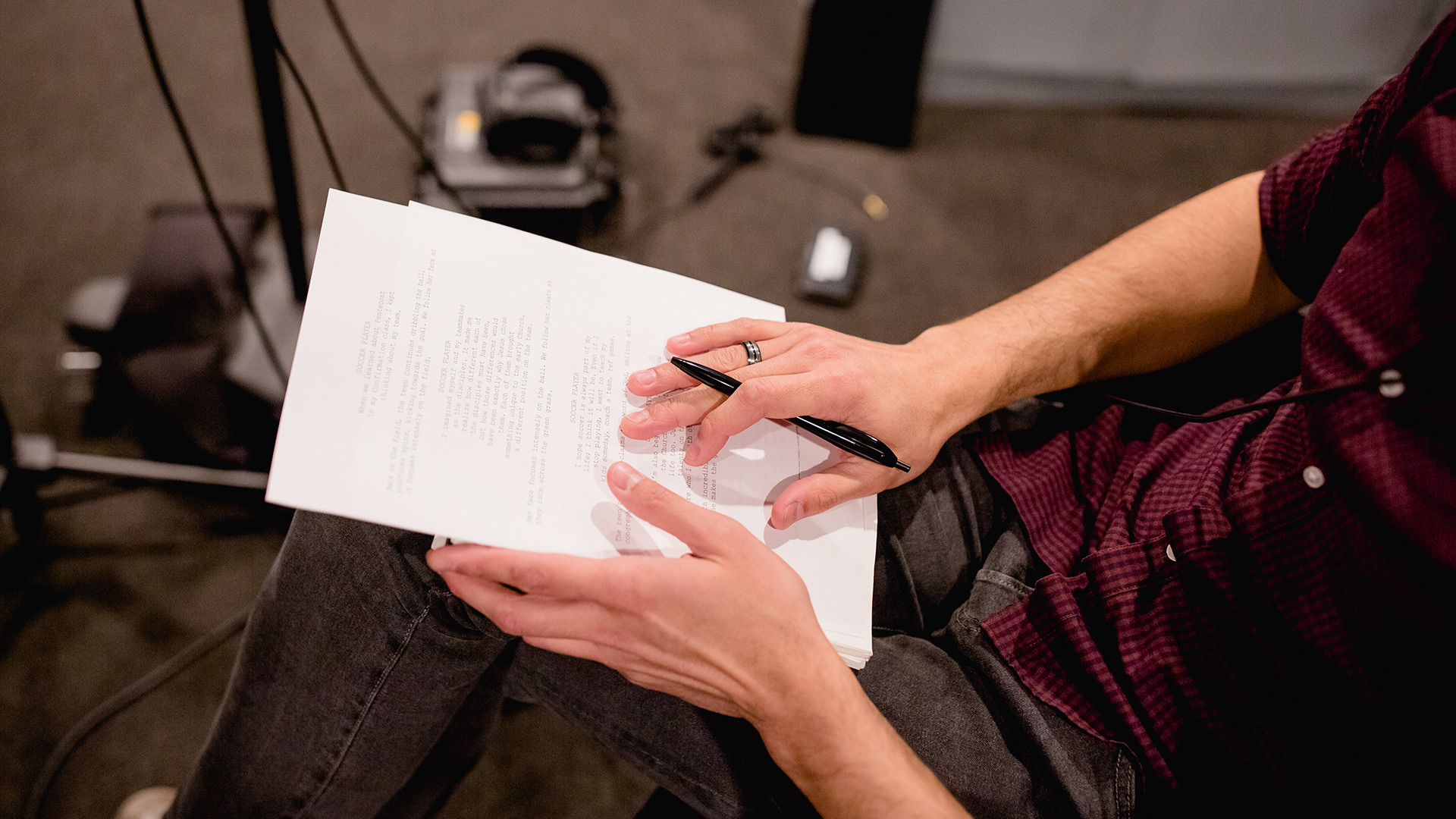
The most dangerous phrase in video production is, “We’ll figure it out later.”
A commercial video script for businesses is ready for production when:
- The central idea is stable
- Everyone agrees on what the video must accomplish
- Visual execution feels obvious, not speculative
This is where experienced teams draw a hard line. Continuing to revise past this point rarely improves the script, it just delays commitment.
What Strong Commercial Scripts Have in Common
This decision-driven approach applies across formats:
- Brand commercials built on tone and restraint
- Product spots that must communicate value instantly
- Short-form ads where every second matters
- Narrative commercials driven by emotional timing
In every case, what makes a good commercial script is not complexity but resolution.
Final Thoughts
Scripting a commercial video isn’t just a writing exercise, it’s a leadership exercise that binds creativity and production reality with one clear goal.
When teams focus on idea, audience, tone, and decision order, scripts become tools instead of liabilities. That’s the difference between a video that looks expensive and one that actually works.
Need Help Finalizing Your Commercial Video Script?
If your team struggles to move from ideas to alignment or if scripts stall in endless revision cycles, we help organizations clarify their message before production begins.
Strong scripts don’t just sound good. They make production easier, approvals faster, and outcomes more predictable.
And if you already have a video production project that you need help with, feel free to tell us below and we'll reach back out to you.
Launch Your Project
This site is protected by reCAPTCHA and the Google Privacy Policy and Terms of Service apply.
FAQs: How To Script A Commercial Video
1. How do you script a commercial video from start to finish?
Start by defining the goal, audience, and tone, then write multiple drafts, refine collaboratively, and finalize once both client and creative team feel aligned.
2. What makes a good commercial script?
A good commercial script has one clear responsibility, a focused message, emotional resonance, aligns dialogue with visuals, and survives production without losing its message.
3. How many drafts should a commercial script take?
As many as needed to stabilize the core idea, then stop.
4. What matters more: budget or script quality?
Script quality. Without clarity, the budget amplifies confusion.
5. Why do commercial scripts fall apart during production?
Because key decisions, idea, audience, and tone weren’t locked before writing.
6. How do you know when a script is ready to shoot?
When alignment is real, and execution feels obvious.
